

Heat pumps, explained simply
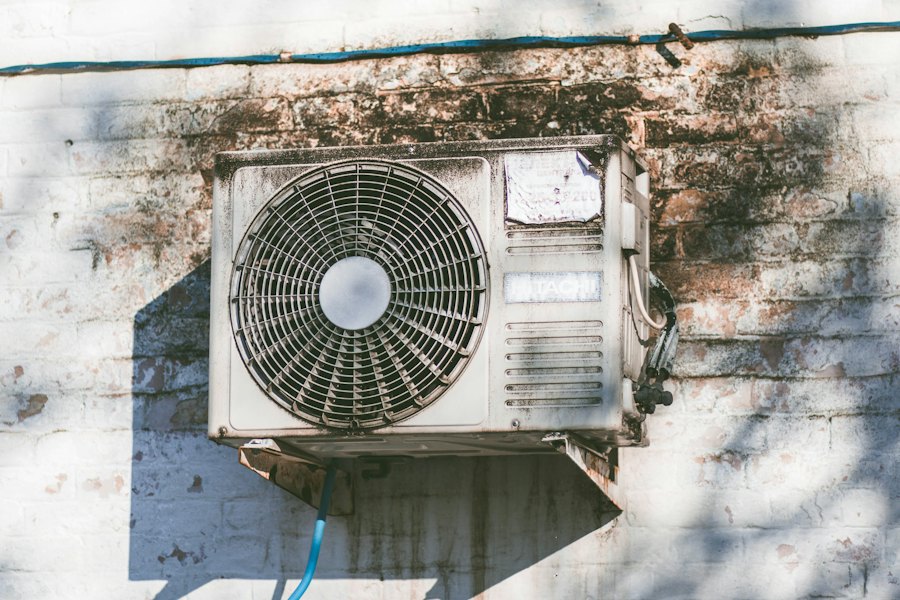
A reverse-cycle air conditioner is a heat pump. In heating mode it pulls heat out of the outside air, even on a cold morning, concentrates it with the compressor and releases it inside. Because it moves heat rather than creating it from scratch, it delivers several units of warmth for each unit of electricity it uses. A bar heater or oil-column heater, by contrast, turns electricity into heat one for one.
The same equipment reverses direction in summer, so one system covers both seasons. It can be a wall-mounted split system for one or two rooms, or a ducted system for the whole home.
Why households are switching
- Lower running costs than resistive electric heating, and often competitive with gas depending on your tariffs.
- No combustion indoors. No flame, no flue and no fumes in the living area.
- One appliance, two seasons. Retire the old heater and the portable fan in one move.
- Solar friendly. If you have solar panels, daytime heating and cooling can use your own generation.
- Electrification. Some households are moving off gas entirely, and heating is usually the biggest step.
Choosing for your climate
Heat pump output and efficiency drop as the outside temperature falls. In mild coastal climates almost any quality reverse-cycle unit heats comfortably. In colder southern regions, the tablelands and alpine areas, it pays to choose a model that performs well in the cold climate zone of the Energy Rating label, and to size with winter rather than summer in mind. On frosty mornings the outdoor unit will pause briefly to defrost itself. That's normal, and a correctly sized system keeps the room comfortable through it.
Replacing gas or electric heaters: how it runs
- Heating assessment. We look at the rooms you heat, insulation, draughts and your current heater, plus switchboard and supply capacity.
- Options. You'll see split and ducted options compared, with heating capacity at low outdoor temperatures, not just the cooling figure on the box.
- Installation. We position indoor units low enough on the wall, or outlets in the ceiling, so warm air reaches where people sit.
- Decommissioning. Old gas heaters must be disconnected and capped by a licensed gasfitter. We can arrange this as part of the job.
- Set-up. We configure heating schedules and show you how to use the system efficiently through winter.
Tip for winter: set heating to around 18 to 20°C and close doors to rooms you aren't using. Warm air is easier to hold in a smaller space.
Questions we hear about reverse-cycle heating
Will reverse-cycle keep up on very cold mornings?
A correctly sized model chosen for your climate zone will. Problems usually come from units sized for summer cooling only, which can struggle in a cold snap.
Is it drying like other heaters?
Heat pumps don't burn oxygen or add combustion moisture, and many people find them comfortable. A pot plant or a small humidifier helps if you notice dry air.
Can I keep my gas ducted heating ducts?
Sometimes, but heating-only ducts are often too small or under-insulated for cooling. We inspect them and advise whether to reuse or replace.
Should the indoor unit go high or low?
Wall-mounted units go high for cooling performance, but we angle louvres and choose positions so warm air is directed down into the room in winter. Floor consoles are an option for heating-focused rooms.